
At T&D Specialties, we deliver precision-machined parts that meet the exacting demands of industries like aerospace, medical, and industrial manufacturing. While machining creates the shape and tolerances of a part, plating often provides the final touch, enhancing durability, corrosion resistance, aesthetics, or functionality. However, plating’s add thickness to surfaces, which can affect tolerances and fit. In this blog, we’ll explore common plating’s for machined parts—including black anodize, black hard coat, nickel, chromate, gold, black oxide, and more—discussing their applications, typical materials, and how to compensate for buildup thicknesses. We’ll also highlight how tools like our T&D Micro Vise ensure precision during machining to account for plating. Let’s dive into the world of platings and their role in precision manufacturing.
What Are Plating’s and Why Are They Used?
Platings are thin layers of material applied to the surface of machined parts through processes like electroplating, chemical deposition, or anodizing. These coatings serve various purposes, such as:
- Corrosion Resistance: Protecting parts from rust or chemical degradation.
- Wear Resistance: Increasing surface hardness for durability.
- Aesthetics: Improving appearance with colors or finishes.
- Electrical Conductivity: Enhancing or reducing conductivity for electronic applications.
- Friction Control: Reducing or increasing surface friction for specific functions.
However, platings add thickness—ranging from a few microns to tens of microns—which can alter a part’s dimensions and affect tolerances. At T&D Specialties, we carefully account for these buildups during machining to ensure the final part meets specifications.
Common Platings for Machined Parts
Here’s a detailed look at common platings, their applications, typical materials, and typical thicknesses:
1. Black Anodize
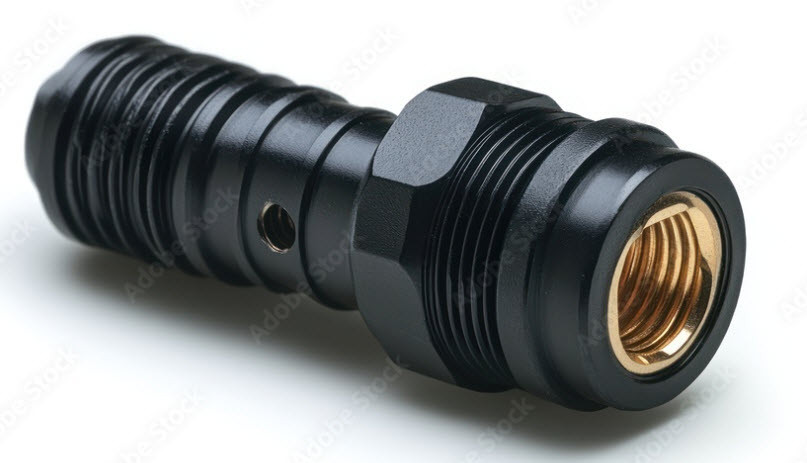
- Description: An electrochemical process that forms a protective oxide layer on aluminum, dyed black for aesthetics or light absorption. It’s non-conductive and moderately durable.
- Applications: Used in aerospace (optical components), automotive (decorative parts), and consumer electronics for corrosion resistance and appearance.
- Materials: Primarily aluminum and its alloys (e.g., 6061, 7075).
- Typical Thickness: 5–25 microns (0.0002”–0.001”). Type II anodizing (standard) is thinner, while Type III (hard coat, discussed below) is thicker.
- Buildup Considerations: Anodizing is unique because it partially penetrates the material (about 50% inward, 50% outward). For a 20-micron coating, only 10 microns add to the surface.
2. Black Hard Coat Anodize (Type III)
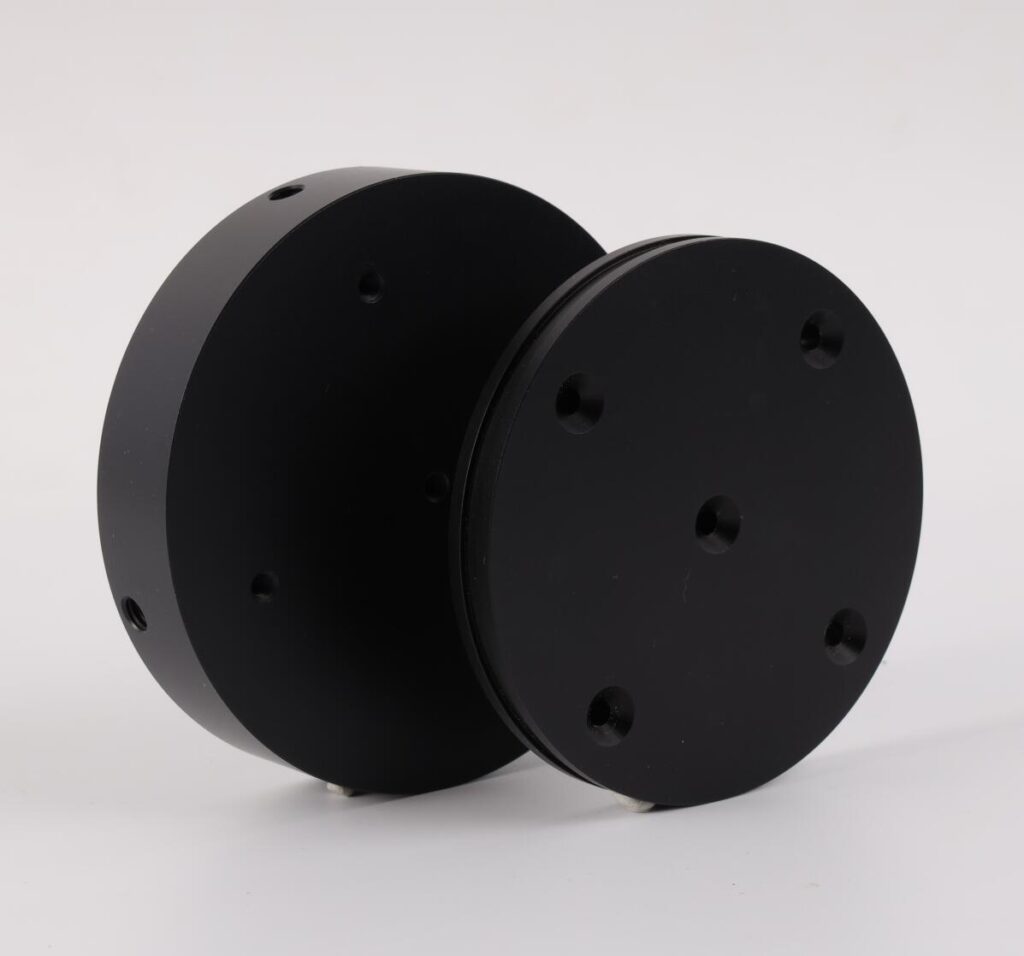
- Description: A thicker, harder version of anodizing, producing a dense, wear-resistant oxide layer, often dyed black. It’s highly durable but non-conductive.
- Applications: Used in military (firearm components), aerospace (wear-resistant parts), and medical (surgical tools) for extreme durability.
- Materials: Aluminum and its alloys.
- Typical Thickness: 25–50 microns (0.001”–0.002”). The thicker coating significantly increases surface hardness.
- Buildup Considerations: Like standard anodizing, about 50% of the thickness builds outward. Tight tolerances require precise pre-plating machining.
3. Nickel Plating
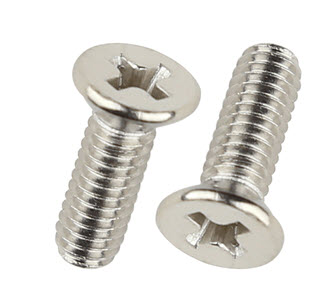
- Description: An electroplated or electroless nickel coating that provides excellent corrosion and wear resistance. Electroless nickel (EN) is uniform, while electroplated nickel may vary in thickness.
- Applications: Used in automotive (engine components), electronics (connectors), and industrial (molds) for durability and corrosion protection.
- Materials: Steel, stainless steel, aluminum, copper, and brass.
- Typical Thickness: 5–50 microns (0.0002”–0.002”), with electroless nickel often 10–25 microns for precision parts.
- Buildup Considerations: Nickel adds uniform thickness (especially EN), requiring dimensional adjustments in critical areas like bores or threads.
4. Chromate Conversion Coating (Chem Film)
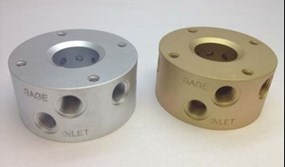
- Description: A chemical process that forms a thin, conductive, corrosion-resistant layer, often with a gold or clear appearance (though black chromate exists). It’s not a true plating but a surface treatment.
- Applications: Used in aerospace (aluminum panels), electronics (conductive surfaces), and military (fasteners) for corrosion protection and primer adhesion.
- Materials: Aluminum, magnesium, and zinc alloys.
- Typical Thickness: 0.5–5 microns (0.00002”–0.0002”). Minimal buildup makes it ideal for tight tolerances.
- Buildup Considerations: Thickness is negligible, but masking may be needed for areas where conductivity or fit is critical.
5. Gold Plating
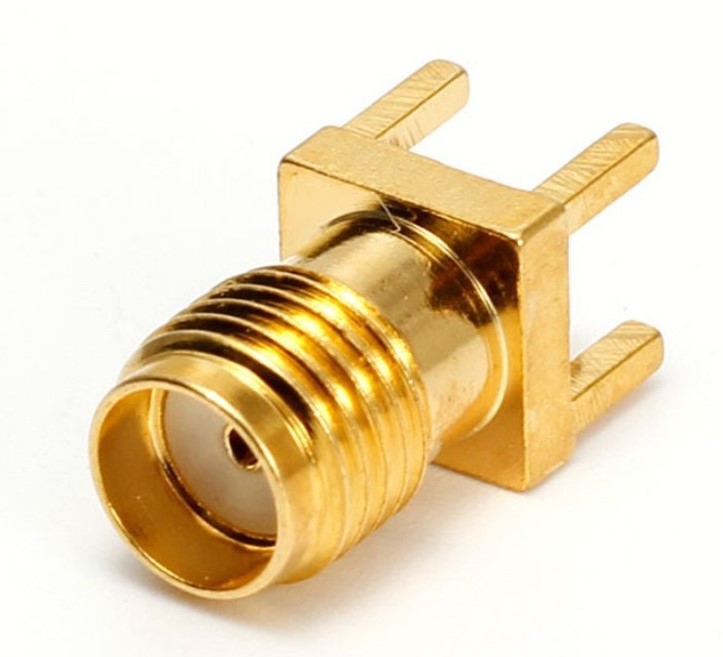
- Description: An electroplated gold layer prized for its electrical conductivity, corrosion resistance, and aesthetic appeal. It’s soft but highly functional.
- Applications: Used in electronics (circuit boards, connectors), aerospace (satellite components), and medical (electrodes) for conductivity and reliability.
- Materials: Copper, brass, stainless steel, and nickel-plated surfaces (as a base layer).
- Typical Thickness: 0.5–5 microns (0.00002”–0.0002”) for functional uses; thicker for decorative purposes.
- Buildup Considerations: Gold’s thin coating has minimal impact, but precise machining ensures proper fit in high-precision applications.
6. Black Oxide
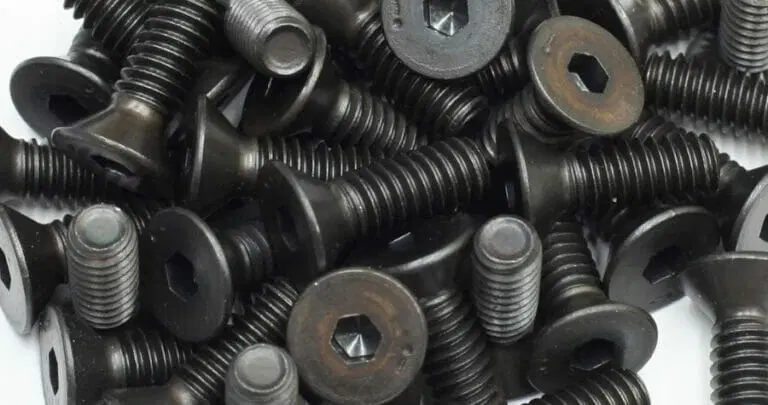
- Description: A chemical conversion coating that forms a black magnetite layer, offering mild corrosion resistance and a sleek appearance. It’s not as durable as other platings.
- Applications: Used in firearms (barrels), tools (wrenches), and automotive (fasteners) for aesthetics and light protection.
- Materials: Steel, stainless steel, and sometimes copper.
- Typical Thickness: 0.5–2 microns (0.00002”–0.00008”). Negligible buildup.
- Buildup Considerations: Minimal thickness means little adjustment is needed, but masking may be required for critical surfaces.
7. Zinc Plating
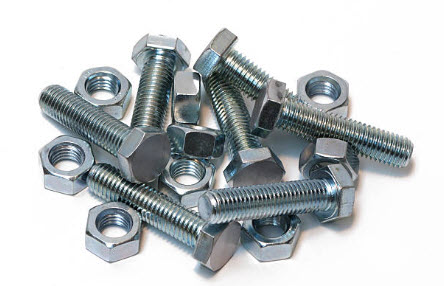
- Description: An electroplated zinc coating that provides sacrificial corrosion protection (it corrodes before the base metal). Often combined with chromate for added durability.
- Applications: Used in automotive (bolts), construction (hardware), and industrial (brackets) for cost-effective corrosion resistance.
- Materials: Steel and iron.
- Typical Thickness: 5–25 microns (0.0002”–0.001”), depending on the environment (e.g., indoor vs. outdoor).
- Buildup Considerations: Uniform thickness requires adjustments for threads or tight-fitting parts.
8. Silver Plating
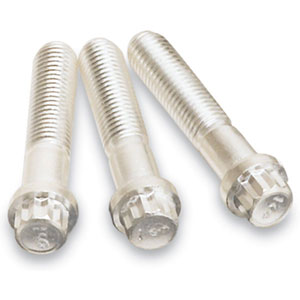
- Description: An electroplated silver layer valued for its high electrical and thermal conductivity, though it tarnishes over time.
- Applications: Used in electronics (connectors), aerospace (waveguides), and medical (antimicrobial surfaces) for conductivity and functionality.
- Materials: Copper, brass, and nickel-plated surfaces.
- Typical Thickness: 1–25 microns (0.00004”–0.001”).
- Buildup Considerations: Thin coatings are common, but threads and mating surfaces need pre-plating adjustments.
Compensating for Plating Buildup
Plating thicknesses, even if only a few microns, can significantly impact precision parts with tight tolerances. At T&D Specialties, we use several strategies to compensate for buildup and ensure the final part meets specifications:
1. Pre-Plating Machining Adjustments
- Dimensional Compensation: Machine parts undersized to account for plating thickness. For example, if a nickel plating adds 10 microns per side (20 microns total), a bore’s diameter is machined 20 microns smaller than the final dimension.
- Thread Adjustments: For threaded parts, use oversized taps or adjust thread profiles (e.g., larger pitch diameter) to accommodate plating. Thread gauges are used pre- and post-plating to verify fit.
- Anodizing Specificity: Since anodizing builds outward only 50%, adjust dimensions for half the total thickness. For a 20-micron anodize, machine 10 microns undersized per side.
2. Blueprint Specifications
- Work with engineers to clarify whether dimensions are specified pre-plating or post-plating. For example, a blueprint may note “dimensions apply after plating” to avoid confusion.
- Include plating thickness tolerances in calculations, as actual buildup can vary slightly (e.g., ±2 microns for nickel).
3. Masking Critical Areas
- Apply masking tape, plugs, or coatings to areas where plating is undesirable, such as precision bores, threads, or mating surfaces. This preserves tolerances without buildup.
- For example, when chromating an aluminum part, we mask contact points to maintain conductivity or fit.
4. Post-Plating Finishing
- For thick coatings like hard coat anodize, light grinding or honing may be used post-plating to restore critical dimensions, though this adds cost.
- Inspect parts with precision tools (e.g., CMMs or micrometers) to verify final dimensions.
5. Precision Workholding
- During machining, secure workholding ensures tight tolerances before plating. Our T&D Micro Vise is ideal for small parts, providing stable clamping to achieve undersized dimensions accurately.
6. Collaboration with Plating Vendors
- Partner with plating vendors to confirm thickness ranges and uniformity. For electroless nickel, we request certifications to ensure consistent buildup.
- Test parts with sample platings to validate machining adjustments before full production.
Challenges and Considerations
Plating introduces several challenges that machinists and engineers must address:
- Tolerance Stack-Up: Even small variations in plating thickness can compound errors in assemblies with multiple plated parts.
- Material Compatibility: Not all platings suit all materials (e.g., anodizing is aluminum-specific). Choose platings carefully to avoid adhesion issues.
- Cost vs. Benefit: Thicker coatings like hard coat anodize improve durability but increase cost and buildup, requiring trade-offs.
- Surface Preparation: Improper cleaning or surface prep can lead to uneven plating, affecting thickness and performance.
At T&D Specialties, our expertise in machining and collaboration with trusted plating partners ensures we navigate these challenges effectively, delivering parts that meet both functional and dimensional requirements.
Enhancing Precision with the T&D Micro Vise
When machining parts to account for plating buildup, precision is paramount. Our T&D Micro Vise is designed to hold small or delicate parts securely during machining, ensuring accurate undersized dimensions for subsequent plating. Whether we’re preparing a medical component for gold plating or an aerospace part for black hard coat, the T&D Micro Vise provides the stability and repeatability needed for flawless results.
Trust T&D Specialties for Plated Precision Parts
Platings are more than just a finishing touch—they’re critical to a part’s performance, durability, and aesthetics. At T&D Specialties, we combine precision machining with careful plating compensation to deliver parts that meet the tightest specifications. From black anodize to gold plating, we ensure every coating enhances your part without compromising fit or function. With tools like our T&D Micro Vise, we achieve the accuracy needed for flawless pre-plating machining.
Ready to elevate your project with precision-plated parts? Contact T&D Specialties today to discuss your needs or request a quote. Let us show you how our expertise in machining and plating can bring your vision to life with unmatched quality.
